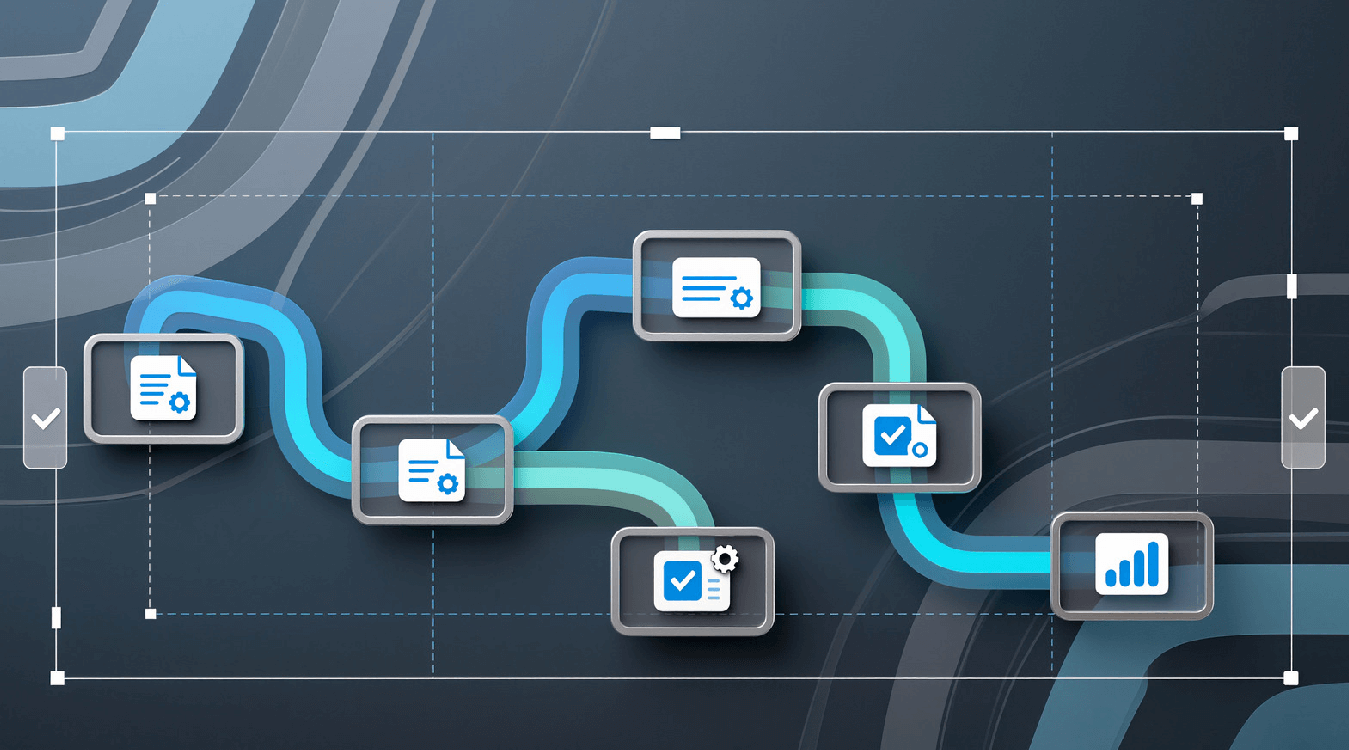


As enterprises handle ever-growing volumes of documents — contracts, HR files, customer records, and scanned archives — the need to reliably remove personally identifiable information (PII) becomes critical. Traditional manual redaction processes are slow, error-prone, and expensive. Artificial intelligence (AI) changes that dynamic by detecting, classifying, and redacting sensitive content automatically, consistently, and at scale. Automating privacy at scale — from detection to auditable removal.
Modern AI-powered redaction systems combine three core capabilities: natural language processing (NLP) to understand free text, optical character recognition (OCR) to extract text from images and scans, and pattern-based recognition to catch structured identifiers (e.g., SSNs, credit card numbers). Together, these capabilities let organizations find subtle PII — nicknames, contextual identifiers, and even indirectly identifying combinations that simple regex can't catch.
Key enterprise benefits include speed, accuracy, and traceability. Automated pipelines can process thousands of pages per hour with consistent rules and configurable sensitivity. Machine learning models learn to reduce false positives and false negatives over time, and human-in-the-loop workflows let compliance teams review uncertain cases before final redaction. Most platforms also produce audit logs and redaction manifests required for regulatory compliance.
How AI improves redaction workflows
- Faster processing of large document batches without proportional headcount increases.
- Context-aware detection reduces missed identifiers and over-redaction.
- Support for multilingual and handwritten text via advanced OCR models.
- Automated audit trails and proof-of-redaction artifacts for auditors.
Enterprises face important considerations when adopting AI redaction: data privacy during model training, model explainability, and integration with existing document management systems. Privacy-first architectures (on-premises models or encryption in transit and at rest) help mitigate risk. Explainable outputs — such as tagged spans and confidence scores — let compliance teams understand why an item was redacted.
Finally, the real power of AI is realized when redaction is embedded into enterprise workflows: automated ingestion from email, document stores, and imaging systems; policy-driven redaction templates; and reporting dashboards that track redaction coverage and exceptions. When implemented responsibly, AI-driven PII redaction reduces cost, accelerates time-to-compliance, and protects individuals’ privacy without sacrificing business agility.
Takeaway: AI enables scalable, accurate, and auditable PII redaction — the foundation for safe, compliant document operations in modern enterprises.